My child needs help with…
Eating Disorders
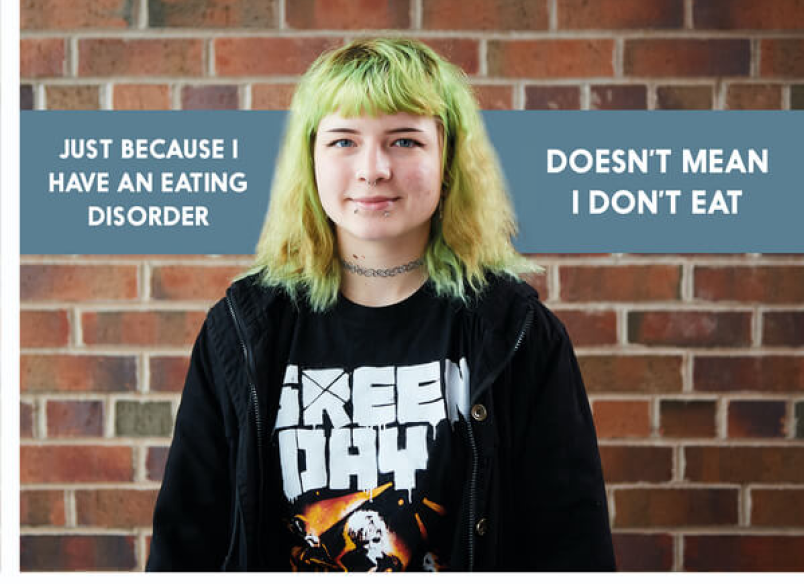
What is an eating disorder?
An eating disorder is a mental health condition where someone uses the control of food to cope with feelings and other situations (NHS England).
Problems with eating can be complex and there is no one single cause of eating disorders. They are not the same as changing your diet and worrying about the way you look. They can take over your life and the lives of your family and the people around you. Eating disorders are serious and everyone who has one deserves care and support.
People with eating disorders are often secretive about their eating and may feel guilty and ashamed. They may focus excessively on their weight and shape, leading them to make unhealthy choices about food, which can affect them in many ways.
These are different types of eating disorder:
- Anorexia Nervosa – a person with anorexia nervosa has a distorted body image and an exaggerated fear of becoming overweight/fat, so they deliberately try to lose weight by limiting what they eat, over-exercising and counting calories.
- Bulimia Nervosa -Eating a lot of food in a very short amount of time (binging) and then taking drastic action to get rid of the food from the body to avoid gaining weight, for example making yourself sick.
- Avoidant Restrictive Food Intake Disorder (ARFID) – Avoiding or restricting food intake due to sensory sensitivities, lack of interest in eating or fear of negative consequences (e.g. choking). It is not driven by body image concerns.
- Other types: Binge Eating Disorder, Eating Disorders Not Otherwise Specified (EDNOS).
Everyone is different and so eating disorders can differ from person to person, too. It can take time to be officially diagnosed. It is important to access support around your child’s mental health if they are experiencing eating difficulties. Recovery is possible with the right help.
Common signs of an eating disorder
- spending a lot of time worrying about your weight and body shape
- avoiding socialising when you think food will be involved
- eating very little food
- making yourself sick or taking laxatives after you eat
- exercising too much
- having very strict habits or routines around food
- changes in your mood such as being withdrawn, anxious or depressed
These are things that may really make a difference
- Be aware that many young people may deny they have a problem. They may try to keep it a secret and find it difficult to accept they need help.
- Go to the GP. Make notes about your main concerns ahead of the appointment. The GP will make an assessment and if they think your child needs specialist help, they should be able to refer the young person to a mental health professional specialising in this area.
- There are many different types of treatment, depending on the nature of the eating disorder and the symptoms. Treatment can include dietary advice as well as individual and family therapy, aimed at resolving underlying emotional problems.
- Ask family and friends to help support a young person with an eating disorder, particularly by talking to them about their feelings and everyday problems.
- Young people unwilling to accept help from their parents may find it easier to talk to a teacher at school.
Get Help Now!
Here are a list of services that can help. The icons below tell you the type of support available.
Freed Beeches
BEAT Eating Disorders

CAMHS Eating Disorder Team

Be U Notts

Talkzone

Kooth

First Steps ED
Which services can I access?
Some of the services available operate only within city or the wider county area. Pop your postcode in below to quickly check which services are available to you
Related topics
-
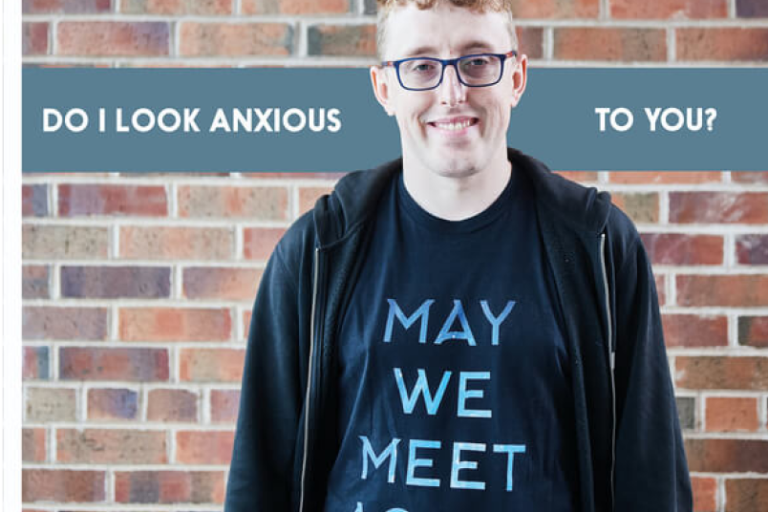
Anxiety and Panic Attacks
Everyone gets anxious now and then and anxiety is actually your body giving you a message that you are not safe.
-

Bullying
Bullying is repeated behaviour intended to hurt someone emotionally or physically. Bullying is often aimed at certain people because of their race, religion, gender or sexual orientation or any other aspect such as appearance or disability.
-
Obsessive Thoughts
Obsessions are specific thoughts that are intense and intrusive. It can feel like your thoughts are taking over and controlling your behaviour. Compulsions are ritual behaviours that people use to try to reduce anxiety linked to intrusive thoughts.
-
Depression or Low Mood
Everyone has ups and downs. Sometimes you might feel a bit low, for lots of different reasons. People may say that they are feeling depressed when they are feeling down, but this does not always mean that they have depression.