I need help with…
Exam Stress

Listen now:
Listen to our episode of The NottAlone Podcast for tips on coping with exam stress, how it can impact your mental health and some really helpful strategies to to help you manage:
What is stress?
School life can be busy and confusing, causing you to feel stressed. Stress is when you feel overwhelmed by problems or pressure and start to find it hard to cope. Stress can trigger the ‘fight or flight’ response causing feelings of anxiety. Stress is common during exam time when you can feel lots of pressure to do well and get good marks. Some people might get stressed at other times too.
Exam stress is normal, and almost everyone gets nervous before an exam. Nerves don’t always have to be a bad thing, but sometimes exam stress and worry can have serious affects on your mental health. It’s important to reach out for help if you need it, and offer support if a friend is struggling.
What are the effects of stress?
A little bit of stress can be helpful: it can improve your concentration and give you short term energy to achieve a goal e.g. studying hard the week before an exam, completing homework for a deadline. However, too much stress or feeling stress for weeks and months at a time can cause problems such as:
- Difficulties sleeping
- Difficulties concentrating
- Feelings of anxiety
- Feeling angry or irritable
How to cope with exam stress
Some ways to reduce exam stress are:
- Get organised e.g. make realistic study timetables with breaks – you can’t study all the time!
- Try to get plenty of sleep and eat well
- Take regular breaks from studying and get exercise outside
- Try not to compare yourself to others
- Ask for help if you are struggling
- Practice coping strategies to deal with exam day stress. Some examples are: breathing exercises, meditation, colouring, the five senses technique.
Revision
Here’s one of our team members with her top tip for revising:
@nottalone It’s exam season! If you’re struggling to remember key things for your exam, try this tip from Rachel, a member of our NottAlone team. 📝Finding exams tricky is completely normal and everyone struggles with nerves when it gets to exam season. Remember, you’re not alone and it’s okay to feel nervous. Exam stress is real, and revision can feel really hard. Planning your revision schedule with regular breaks and down time will help you to avoid burn out. You’re not a machine and you need rest too 💜🧡 🔗 Visit our website for advice on exam stress, NottAlone.org.uk. #NottAlone #MentalHealthMatters #YouAreNotAlone #ExamStress #ExamTips #RevisionTips #ExamRevision ♬ original sound – NottAlone
Some top tips for revising:
- Try different types of studying to see what works best for you. Some people learn better by reading, some people like to write things down, some people learn best from videos, and others have more creative ways of remembering things – like making up a song based on what you’re trying to learn.
- Schedule breaks so it doesn’t feel overwhelming. Knowing you have a break in half an hour can make you focus more in the moment, rather than getting distracted.
- Put your phone on the other side of the room so that you don’t feel tempted to scroll. You could set a timer on your phone which will go off when it’s time for your next break.
- Drink plenty of water and eat foods which support your brain function, such as fruit.
- Try studying alone as well as scheduling revision sessions with a friend or a study group. Sometimes different environments and people can help you to remember things.
- Don’t put it off – it’s easy to procrastinate, but the sooner you start, the better you’ll feel about it.
Here is a video with some more tips from the BBC:
Get Help Now!
Here are a list of services that can help. The icons below tell you the type of support available.

Mental Health Support Teams

Talkzone
Be U Notts

Kooth

Childline
Which services can I access?
Some of the services available operate only within city or the wider county area. Pop your postcode in below to quickly check which services are available to you
Related topics
-
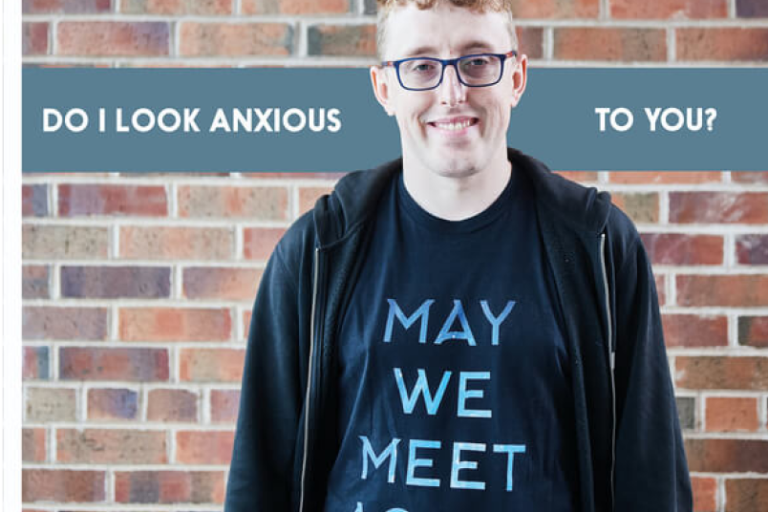
Anxiety and Panic Attacks
Everyone gets anxious now and then and anxiety is actually your body giving you a message that you are not safe.
-

Obsessive Thoughts
Obsessions are specific thoughts that are intense and intrusive. It can feel like your thoughts are taking over and controlling your behaviour. Compulsions are ritual behaviours that people use to try to reduce anxiety linked to intrusive thoughts.
-

Self-Care for Mental Health
It’s OK not to be OK.
Just like our physical fitness, we need to look after our mental health to feel good. When you’re not feeling OK, it’s OK to talk about this and ask for help.