I need help with…
Abuse
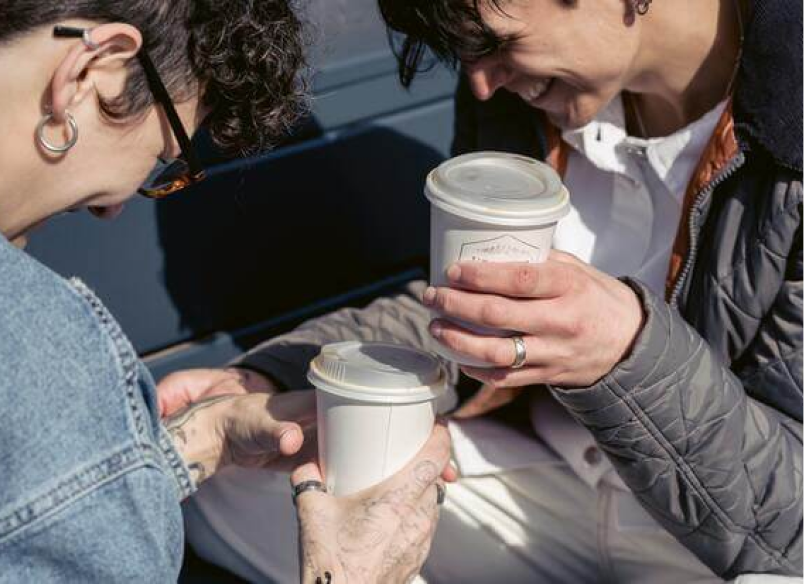
Whether you’re currently experiencing abuse or have been affected by it in the past, please know that you’re not alone. Help and support are available, and you deserve to feel safe and heard.
Understanding abuse
Abuse can take many forms, and it’s important to recognise them. Here are some common types:
- Physical abuse: any form of physical harm, such as hitting, pushing or being forcibly restrained.
- Emotional or psychological abuse: being regularly ignored, criticised, manipulated or humiliated. This also includes coercive control, where someone tries to control your actions and decisions.
- Neglect: not looking after your basic needs, whether medical, emotional or physical.
- Sexual abuse: any sexual activity that you do not want or haven’t agreed to willingly, including online interactions.
- Financial abuse: includes controlling your money, stealing money, or fraud.
What can I do if I’m being abused?
If you’re experiencing any form of abuse or if you’re concerned about someone else who might be, reaching out for support is a brave and important step.
If someone close to you, a friend, partner or family member, is violent or abusive towards you, it is important to seek support. Abuse is never your fault, and there are people who care and want to help.
It can be hard to recognise abuse, especially when it involves someone you trust. Talking about it may feel overwhelming and hard, but try to remember that you’re not alone and support is available.
Take a look at the support links in the ‘get help now’ section below. They’re here for you whenever you’re ready, whether you want to talk freely without judgment or make a plan for your next steps.
Support for adult survivors of childhood abuse
Opening up about past abuse, especially childhood sexual abuse, can be incredibly difficult. It may affect your emotional, mental, and physical wellbeing.
This page provides information and connections to free support services to support your mental health and wellbeing. Some of the services listed will be also be able to give relevant practical, legal and physical health advice.
If you’re a survivor, please know there are dedicated support services available specifically for adult survivors of childhood abuse. These services are here to listen, believe you, and to help you begin or continue your healing journey.
Thinking about leaving an abusive relationship?
If you are thinking of leaving a relationship where you’re experiencing abuse or coercive control, you don’t have to try to do it alone. Find support in our ‘get help now’ section below to help you understand your options and make a plan.
Leaving can feel overwhelming or even frightening, especially if your partner is threatening or controlling. But with the right help, you can be free. You deserve to be free and to live safely and without fear.
If you need emergency help
If you are in immediate danger, injured or fear for your safety, call 999 straight away. If you’re unable to speak, tap the handset, cough or make a noise to alert the operator. When prompted, press 55 – this lets the call handler know you need police assistance but cannot speak safely. If you’re able, go to your nearest Accident & Emergency (A&E) department immediately.
Mental health crisis support
If you are having a mental health crisis and need urgent help, phone 111 and select option 2 to speak to a trained mental health professional. This service is available 24 hours a day, 7 days a week.
Explore videos about abuse
Women’s Aid: Spot The Abuse uses a game show style format to explore what controlling behaviour and coercive control can look like.
Journalist and presenter Ellie Flynn brings together a group of 20 young people aged 18-25 to discuss what constitutes coercive control. Please note, this video contains dramatised depictions of coercive control in relationships.
Two women describe their experiences of domestic abuse and how they found the strength and support to leave their situation.
Get Help Now!
Here are a list of services that can help. The icons below tell you the type of support available.
Nottinghamshire Sexual Violence and Support Service: for survivors of rape and sexual assault
Nottinghamshire Independent Domestic Abuse Services in Mansfield and Ashfield
The Topaz Centre: support for adults who have experienced sexual assault or rape
The Health Shop: inclusive sexual health service
Base 51: support for young people affected by domestic abuse
Juno Women's Aid: support for women and children experiencing domestic abuse
Nottinghamshire's Women's Aid: domestic abuse support for women, young people and children
Equation: working to reduce the impact of domestic abuse, sexual violence and gender inequality.
Broxtowe Women's Project: helping women in Broxtowe who are experiencing domestic abuse
Newark Women's Aid: support for women and children who have experienced domestic abuse
Nottingham Muslim Women's Network: support for Muslim women, girls that experience domestic violence
Refuge: domestic abuse helpline for women and children
Galop: for LGBT+ victims and survivors of abuse and violence
ManKind Initiative: helping men escape domestic abuse
Respect: men's domestic abuse advice line
The National Association for People Abused in Childhood (NAPAC)
Support For Survivors: for adult survivors of child abuse in the East Midlands
Nottingham and Nottinghamshire Talking Therapies
Local Mental Health Teams
Community Mental Health Teams

Crisis Sanctuaries Nottinghamshire
Which services can I access?
Some of the services available operate only within city or the wider county area. Pop your postcode in below to quickly check which services are available to you
Related topics
-
Loneliness and Social Isolation
Loneliness and social isolation can affect us all at some point in our lives. Being alone and feeling lonely are different things.
-
Bullying
People are often bullied because of a difference. That could be their race, religion, gender, sexual orientation, an aspect of their appearance, or something else.
-

Trauma and Post-Traumatic Stress
Most of us will have something scary or distressing happen to us at some point in our lives.
-

Anxiety
You might feel nervous, stressed, anxious or ‘on edge’ when you are getting ready to do something that is difficult for you.