I need help with…
Eating Disorders

What is an eating disorder?
An eating disorder is a mental health condition where you use the control of food to cope with feelings and other situations (NHS England).
Lots of people worry about the way they look and have tried going on a diet at some point. This does not mean that you have an eating disorder.
But if you find that you are thinking a lot about food and how your body looks, trying to control what you eat, and hiding your relationship with food from the people you love because you feel guilty or ashamed, keep reading.
Eating disorders are serious and everyone who has one deserves care and support. They can take over your life and the lives of your family and the people around you.
There are different types of eating disorders:
- Anorexia Nervosa – a person with anorexia nervosa has a distorted body image and an exaggerated fear of becoming overweight/fat, so they deliberately try to lose weight by limiting what they eat, over-exercising and counting calories.
- Bulimia Nervosa -Eating a lot of food in a very short amount of time (binging) and then taking drastic action to get rid of the food from the body to avoid gaining weight, for example making yourself sick.
- Avoidant Restrictive Food Intake Disorder (ARFID) – Avoiding or restricting food intake due to sensory sensitivities, lack of interest in eating or fear of negative consequences (e.g. choking). It is not driven by body image concerns.
- Other types: Binge Eating Disorder, Eating Disorders Not Otherwise Specified (EDNOS).
Everyone is different and so eating disorders can differ from person to person, too. The good news is that recovery is possible and the sooner you get treatment, the more likely it is you will be able to manage your eating better.
Take a look at this segment from ITV’s Loose Women, where Freddie Flintoff and Gok Wan talk about their experiences with bulimia and anorexia:
How can I find help?
If you think you might have a problem with eating there are things you can do to help yourself:
- Stick to regular mealtimes: make sure you have breakfast, lunch and dinner. Start with smaller portions if you are finding it difficult to eat regular meals.
- Try to be honest with yourself and other people who are close to you about what you are or are not eating.
- Try to be kind to your body – look after it and don’t punish it.
- Try not to spend time checking your body and looking at yourself in the mirror.
- When you look in the mirror look at your whole body, not just the part of your body you don’t like.
- Be careful about what you are looking at online. Try to stay away from websites and social media profiles that encourage disordered eating behaviours.
- Unfollow social media pages that make you feel bad about yourself or compare yourself to others.
If you are worried about food or eating, the first step is to talk to someone you trust… and try to do it soon. Eating disorders can be dangerous. You could talk to someone you care about or a health professional. The services at the bottom of this page could help support you.
Get Help Now!
Here are a list of services that can help. The icons below tell you the type of support available.
Freed Beeches
Talking Therapies
Beat
Base 51
Be U Notts
The Mix
Crisis Line
Nottinghamshire Eating Disorder Service
Talkzone

First Steps ED
Which services can I access?
Some of the services available operate only within city or the wider county area. Pop your postcode in below to quickly check which services are available to you
Related topics
-
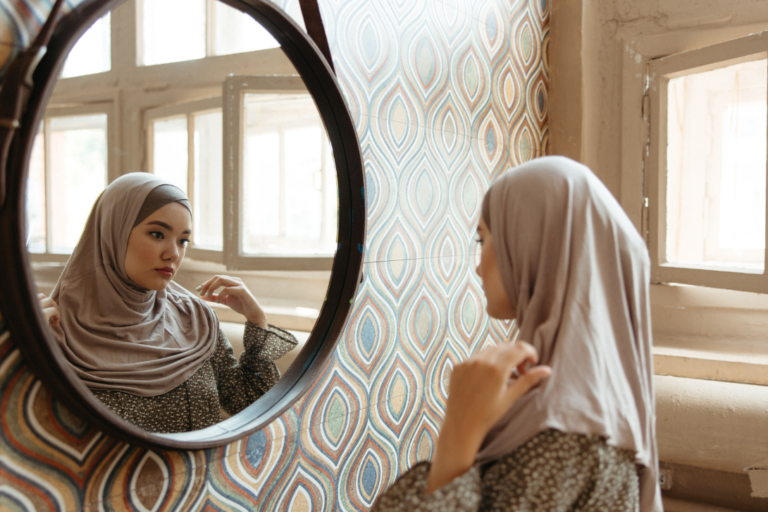
Body Image
Body image is how we think and feel about our bodies, how we look, and how we believe others see us.
-
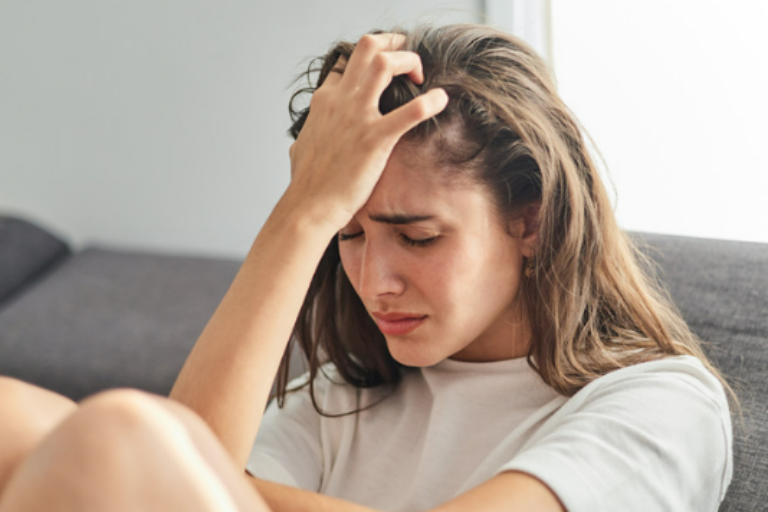
Anxiety
You might feel nervous, stressed, anxious or ‘on edge’ when you are getting ready to do something that is difficult for you.
-
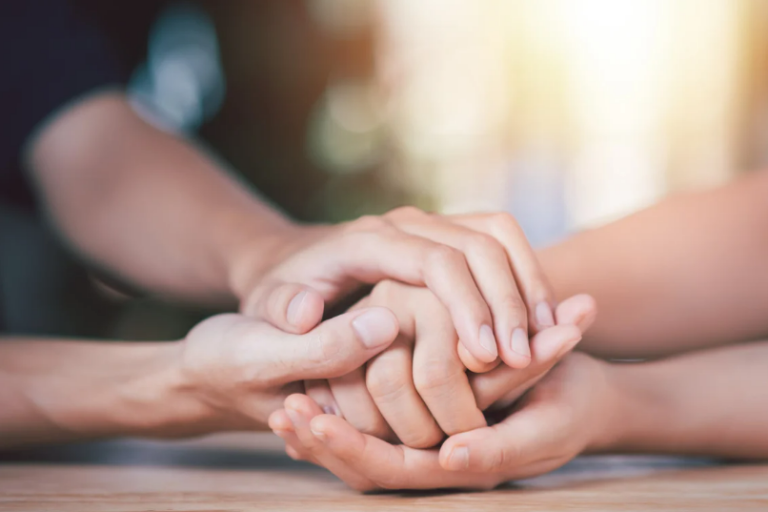
Depression or Low Mood
Everyone has ups and downs. Sometimes you might feel a bit down, for lots of different reasons.
-
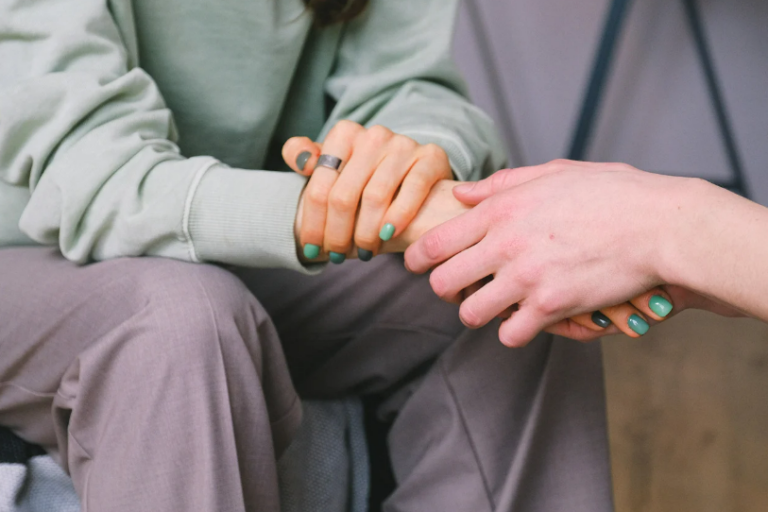
Self Harm
Self-harm is when you hurt yourself on purpose. It’s a way of trying to deal with emotions, thoughts or life situations that feel too much.